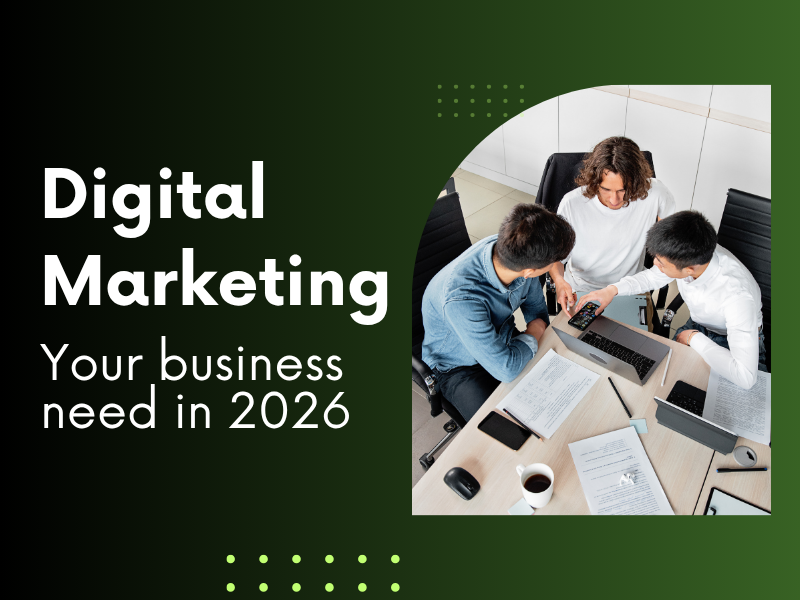
Why a Single Strategy Beats Random Tactics
Most businesses don’t fail at digital marketing because they pick the wrong channel. They fail because they pick channels without anything connecting them. A strategy is what decides which tactics below deserve your budget this year, instead of trying all of them at once.
This matters more in 2026 than it used to. AI tools now summarize and recommend businesses to users before anyone clicks through. Disconnected marketing doesn’t just confuse customers anymore — it confuses the systems recommending you.
Online Advertising: Reaching Customers Today, Not Eventually
Online advertising puts paid ads in front of people while they search, browse, or scroll. Unlike organic growth, it doesn’t make you wait. Results show up almost as soon as the campaign goes live.
It covers paid search, display ads, and paid social placements. Most businesses use it alongside organic channels rather than on its own, since paid traffic disappears the moment the budget runs out.
Building a Social Media Strategy People Actually Want to Follow
A social media strategy is a plan for what you post, where, and why — not just showing up every day with no direction. It earns its place by building a relationship with an audience between purchases, not by chasing instant sales.
In practice, that often means owning two platforms well instead of spreading thin across five. A consistent voice on fewer channels usually outperforms scattered effort across all of them.
Content Marketing: The Backbone of Modern Digital Marketing
Content marketing means creating useful material — blog posts, guides, videos — that educates an audience before they ever speak to a salesperson. It builds trust quietly, in the background, long before a purchase decision happens.
In 2026, content marketing has a second job too. It feeds the AI tools that summarize answers for searchers, which means well-structured content gets cited and recommended more often than content written purely for human eyes.
SEO Optimization: Getting Found by People and AI Alike
SEO optimization improves a website so search engines, and now AI assistants, can find, understand, and recommend it. It blends technical fixes, keyword targeting, and content structure into one ongoing practice rather than a single project.
The shift in 2026 is that SEO optimization no longer just decides where you rank on a results page. It decides whether an AI assistant mentions your business at all when someone asks for a recommendation.
Are Email Campaigns Still Worth It in 2026?
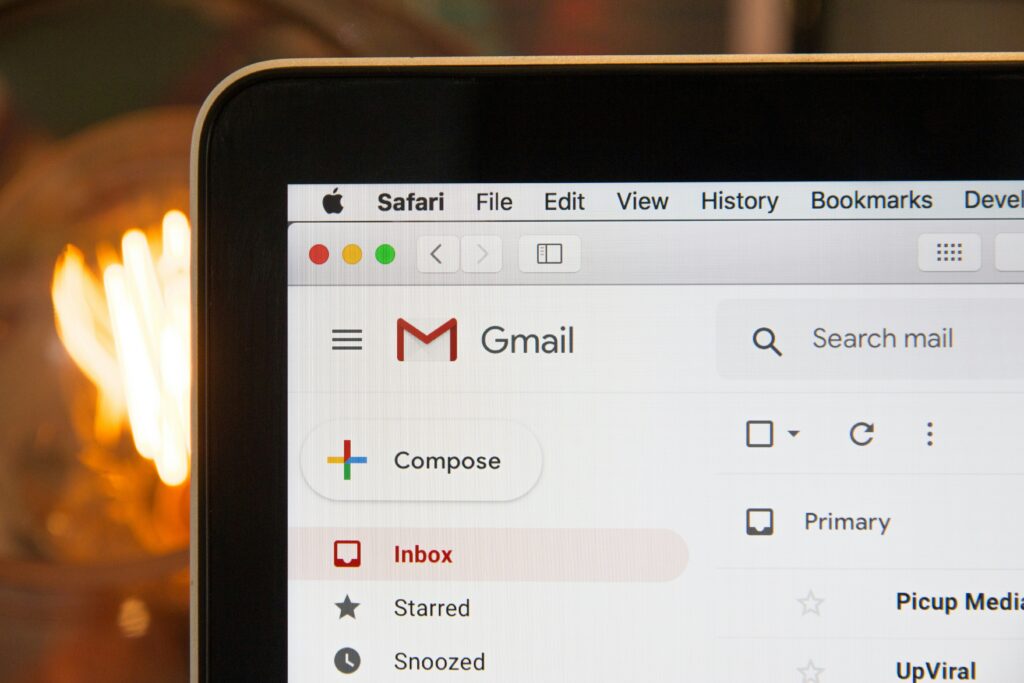
Yes. Email campaigns remain one of the highest-return channels in digital marketing, because they reach people who already know your brand. A well-segmented email campaign nurtures those leads quietly while other channels handle the louder work of attracting new ones.
The businesses that get the most from email campaigns are the ones who segment their list, rather than sending the same message to everyone on it.
Digital Marketing in 2026, By the Numbers
Real adoption and growth data behind the channels covered in this guide — so you can see why each one earns a place in a 2026 marketing plan.
| Channel | Adoption / Reach | 2026 Trend | Source |
|---|---|---|---|
| Video Marketing | 91% of businesses now use video as a core marketing tool. | Near-universal — adoption has plateaued at saturation. |
Wyzowl / Foursets, 2026 |
| Social Media Strategy | 90%+ of brands run active social media marketing. | Mature channel — budget share holding near 15%. |
Affinco, 2026 |
| Content Marketing | 82% of marketers actively invest in content marketing. | Up 12% year-over-year. |
HubSpot State of Marketing, 2026 |
| SEO Optimization | 74% of small businesses currently invest in SEO. | Services market grew ~17% year-over-year. |
AIOSEO / industry market data, 2026 |
| Email Campaigns | 81% of B2B marketers actively use email. | 77% report rising engagement year-over-year. |
Saleshandy / Robly, 2026 |
| Pay-Per-Click Advertising | 80% of businesses depend on PPC to grow. | Global search ad spend up 8.3% year-over-year. |
Cropink / WebFX, 2026 |
| Mobile Marketing | Smartphones are projected to drive 69% of total ad spend. | Mobile's share of ad spend keeps climbing. |
DemandSage, 2026 |
| Influencer Collaborations | 86% of U.S. marketers now partner with influencers. | Industry spend up ~30% year-over-year. |
Sprout Social / SQ Magazine, 2026 |
Website Development: The Foundation Everything Else Leans On
Every channel above eventually sends someone to a website. Good website development means fast load times, a mobile-friendly design, and a clear path to take action. Without it, the rest of the marketing budget gets spent driving traffic to a page that leaks visitors before they convert.
How Do You Build Brand Awareness Online?
Brand awareness is built through consistent visuals, messaging, and repeated exposure across channels — not through a single campaign. It compounds over time, with advertising, social media, content, and partnerships all reinforcing the same impression until a business becomes familiar rather than memorized.
That’s also why brand awareness rarely shows an immediate return. Its job is to make every other channel on this list work a little better, not to close sales on its own.
Customer Engagement: Turning Visitors Into Regulars
Why Analytics and Reporting Decide Where the Budget Goes
Analytics and reporting turn guesses into decisions. Without them, a business can’t tell whether a campaign is genuinely working or simply running. Regular analytics and reporting are what let a marketing budget move toward what’s producing results and away from what isn’t.
Lead Generation: Filling the Pipeline Before It Runs Dry
Lead generation is the process of capturing someone’s contact details before they’re ready to buy, usually through content marketing, landing pages, and email campaigns working together. It matters because it keeps a sales pipeline full without relying on word of mouth alone.
Is Pay-Per-Click Advertising Worth the Investment?
Pay-per-click advertising charges a business only when someone clicks, which makes it one of the fastest ways to reach people already searching for a product. It works best paired with a website built to convert that click — pay-per-click advertising can drive traffic within days, but it won’t fix a page that loses visitors the moment they land.
Mobile Marketing: Designing for the Screen People Actually Use
Most browsing, shopping, and searching now happens on a phone, which is exactly what mobile marketing accounts for: ads, emails, and websites built for small screens and quick interactions. It also feeds back into SEO optimization, since search engines prioritize mobile-friendly sites in their rankings.
Video Marketing: Saying More in Less Time
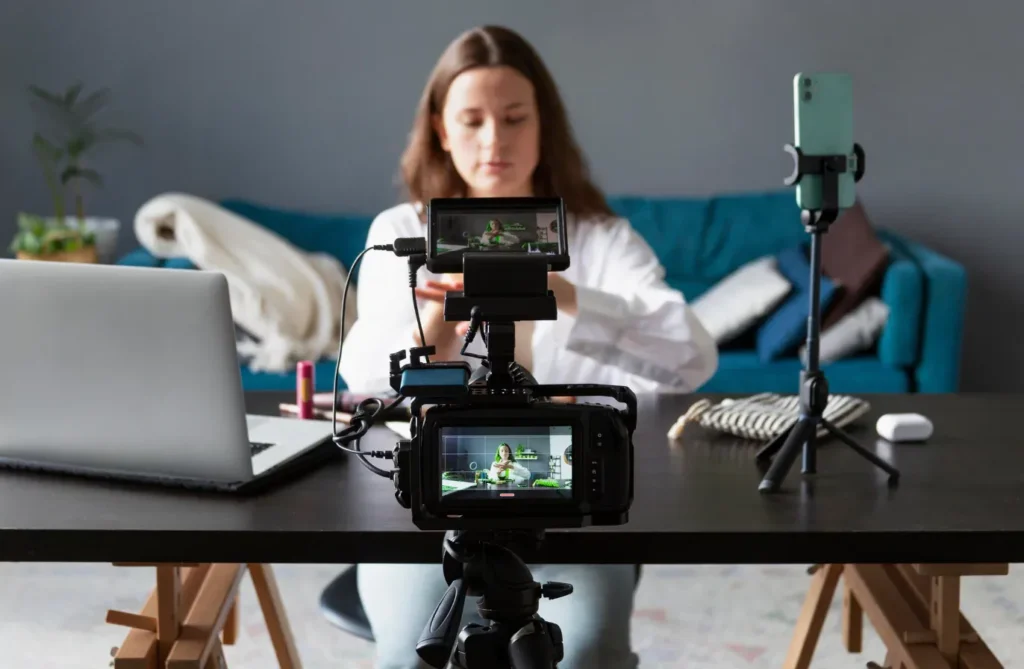
Video marketing communicates more in less time than text alone, which is why short-form video performs well on social platforms and increasingly inside search results themselves. It doesn’t require a big production budget — a simple, authentic video often outperforms a polished one.
Video Marketing: Saying More in Less Time
Influencer collaborations work well when reaching a niche or younger audience quickly, since they borrow trust the creator has already earned. They perform best when paired with a creator whose audience genuinely matches your customers, rather than whoever has the largest following.
Digital Branding: The Thread That Ties Everything Together
Digital branding is how a business looks, sounds, and feels across every touchpoint — website, social media, ads, content — tied into one recognizable identity. Without it, every channel above can work individually and still feel disconnected as a whole.
So, What Type of Digital Marketing Does a Business Actually Need?
The right mix depends on stage and goals, not on doing everything at once. New businesses usually need brand awareness, content marketing, and SEO optimization first, to build visibility from nothing. Established businesses tend to get more from pay-per-click advertising, email campaigns, and analytics and reporting, since they already have an audience to convert and measure. E-commerce brands generally benefit most from video marketing, social media strategy, and mobile marketing, where buying decisions happen fast and visually. Service businesses typically rely on lead generation, local SEO optimization, and email campaigns to keep a steady pipeline.
There’s no universal answer here. The right mix is the one built around your specific goals, audience, and budget — not a generic checklist.
If you’re not sure where to start, digitaldott can review your current marketing and recommend a strategy built around your business, rather than a one-size-fits-all plan.
Frequently Asked Questions
Do small businesses need all of these channels at once?
No. Small businesses should focus on two or three channels that match their goals first, then expand once those are working.
What’s the most important digital marketing channel in 2026?
Paid channels like pay-per-click advertising can show results within days. Organic channels like SEO optimization and content marketing usually take three to six months.